What digital strategy skills are most in demand globally?

Digital strategy has become a key driver for business success worldwide. Companies across industries seek professionals who can guide their digital transformation and help them stay competitive. But which digital strategy skills are most in demand globally? Understanding these skills can help professionals focus their learning and career development in the right areas.
Digital strategy involves planning and executing initiatives that use digital technologies to achieve business goals. It requires a mix of technical knowledge, business insight, and leadership ability. This article explores the top digital strategy skills employers look for today, supported by examples of relevant products and services that help build these skills.

What digital strategy skills are most in demand globally?
1. Data analysis and interpretation
Data drives digital strategy decisions. Professionals must be able to collect, analyze, and interpret data to understand customer behavior, market trends, and campaign performance. Skills in data visualization, statistical analysis, and tools like Excel, SQL, or Tableau are highly valued.
For example, a digital strategist might use data analysis to identify which online channels generate the most leads or to optimize a marketing campaign’s budget allocation. This skill helps companies make informed decisions and improve their return on investment.
2. Digital marketing knowledge
Understanding digital marketing fundamentals is essential. This includes skills in search engine optimization (SEO), pay-per-click (PPC) advertising, content marketing, email marketing, and social media strategy. Knowing how to reach and engage target audiences online is a core part of digital strategy.
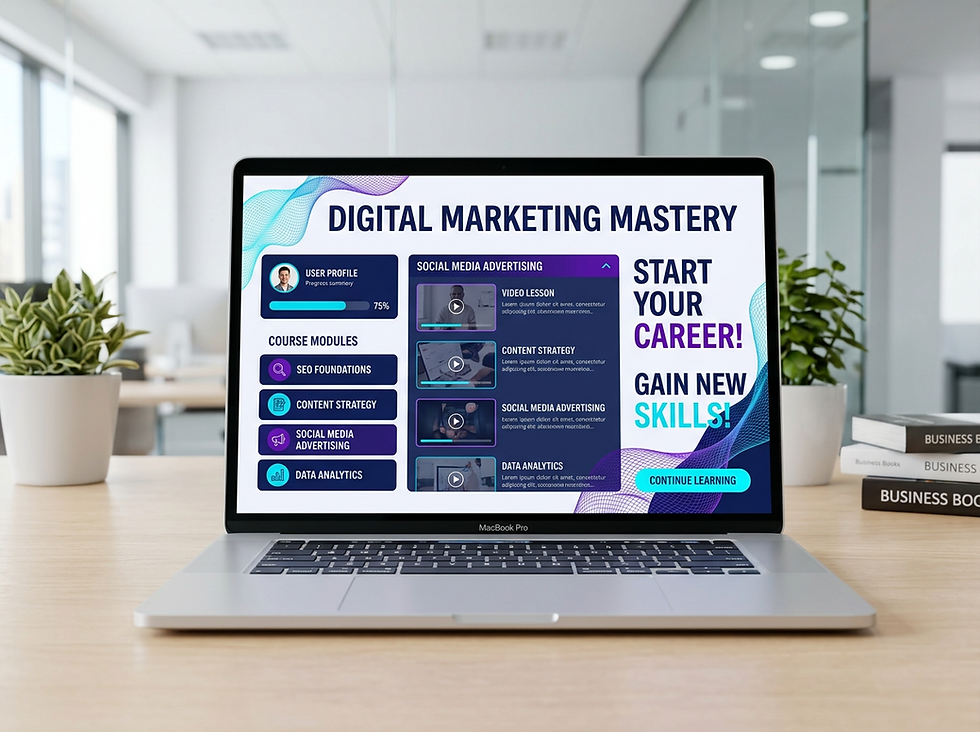
A product like a comprehensive digital marketing certification program can help professionals gain these skills. Such programs cover campaign planning, execution, and measurement, preparing learners to manage digital marketing efforts effectively.
3. Technology and platform expertise
Digital strategists need to be familiar with the technologies and platforms that support digital initiatives. This includes content management systems (CMS), customer relationship management (CRM) software, marketing automation tools, and analytics platforms.
For instance, understanding how to use a CRM system to track customer interactions or how to implement marketing automation to nurture leads can greatly enhance a digital strategy’s effectiveness.
4. Strategic thinking and planning
Beyond technical skills, digital strategists must think strategically. This means setting clear goals, aligning digital initiatives with business objectives, and planning long-term digital transformation efforts. Strong problem-solving and decision-making skills are critical.
Strategic thinking also involves anticipating market changes and adapting plans accordingly. Professionals who can create flexible, forward-looking strategies are in high demand.
5. Leadership and communication
Digital strategy often requires coordinating teams and communicating complex ideas to stakeholders. Leadership skills help digital strategists guide cross-functional teams, manage projects, and influence decision-makers.
Clear communication ensures that everyone understands the digital vision and their role in achieving it. This skill is especially important when driving change in organizations resistant to new technologies.

How certification programs support skill development
Certification programs play a vital role in building digital strategy skills. They offer structured learning paths, practical exercises, and recognized credentials that validate expertise.
For example, a digital business strategy certification program can cover essential topics such as digital transformation frameworks, customer experience design, and innovation management. These programs help professionals gain a holistic understanding of digital strategy and apply it in real-world scenarios.
Another example is a digital marketing certification that focuses on campaign orchestration, analytics, and optimization. This type of program equips learners with hands-on skills to execute and measure digital marketing efforts effectively.
By completing such certifications, professionals demonstrate their commitment to continuous learning and their readiness to lead digital initiatives.
Emerging skills shaping the future of digital strategy
The digital landscape evolves rapidly, and new skills are gaining importance:
Artificial intelligence (AI) and machine learning: Understanding how AI can automate processes, personalize customer experiences, and generate insights is becoming crucial.
Customer experience (CX) design: Creating seamless, engaging digital experiences that meet customer needs is a growing focus.
Agile project management: Applying agile methods helps teams adapt quickly and deliver value continuously.
Cybersecurity awareness: Protecting digital assets and customer data is a top priority.
Professionals who develop these emerging skills will be well-positioned to lead future digital strategies.

Practical examples of digital strategy skills in action
Consider a company launching a new online product. A digital strategist with strong data analysis skills might start by researching customer preferences and competitor offerings. They would use digital marketing knowledge to plan targeted campaigns across social media and search engines.
Technology expertise would help them select the right platforms for customer engagement and sales tracking. Strategic thinking would guide the overall plan, ensuring alignment with business goals and resource allocation. Leadership and communication skills would enable them to coordinate marketing, sales, and IT teams effectively.
Certification programs that cover these areas prepare professionals to handle such complex projects confidently.
Conclusion
The most in-demand digital strategy skills globally combine data analysis, digital marketing, technology know-how, strategic planning, and leadership. Professionals who develop these skills can drive successful digital transformation and innovation in their organizations.
Certification programs that focus on digital business strategy and marketing provide valuable training and credentials. They help learners build practical skills and stay current with emerging trends like AI, customer experience, and agile methods.
Focusing on these skills will open doors to rewarding careers in digital strategy and position professionals as key contributors to business growth in the digital age. The ability to connect data, technology, and strategy is what sets top digital strategists apart.
For those interested in advancing their digital strategy skills, exploring certification programs in digital business strategy and marketing can be a strong next step. These programs offer structured learning and practical experience to build competence and confidence.
By investing in skill development today, professionals prepare themselves to lead tomorrow’s digital initiatives with clarity and impact.