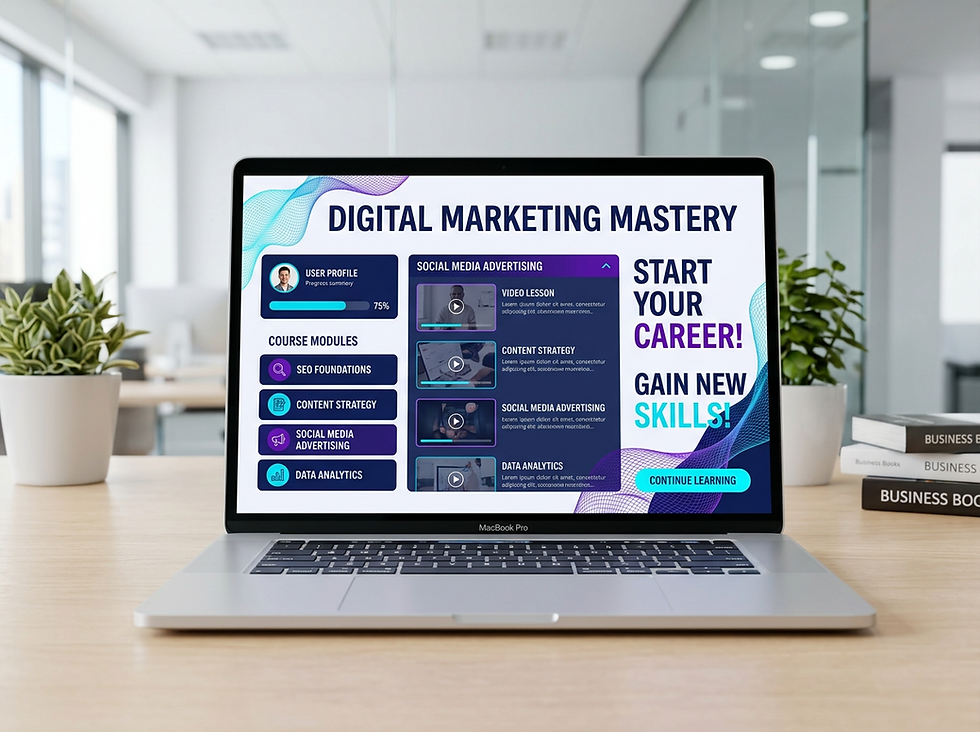
I am an MBA with 2 years experience and want to progress in my career. What should I do?

Starting a career with an MBA and two years of experience is a solid foundation. Yet, many professionals find themselves wondering how to move forward and take on leadership roles. The key lies in gaining clarity on digital marketing trends and sharpening strategic skills. Certifications like ADSMP (Associate Digital Strategy Management Professional) and SDSMP (Senior Digital Strategy Management Professional) can help bridge this gap. They provide the knowledge and confidence needed to lead teams and make impactful decisions.
How ADSMP and SDSMP Certifications Help You See Things Clearly
The digital marketing landscape changes fast. Without a clear understanding of current trends and strategies, it’s easy to feel lost or stuck. ADSMP and SDSMP certifications offer structured learning paths that clarify complex concepts. They break down digital strategy, SEO, and social media marketing into manageable parts.
ADSMP focuses on building a strong foundation in digital marketing and social media strategy. It teaches how to analyze data, understand customer behavior, and create campaigns that deliver results. This certification is ideal for professionals who want to move beyond execution and start thinking strategically.
SDSMP takes this further by preparing professionals for senior roles. It covers leadership skills, advanced digital strategy, and how to drive digital transformation in organizations. SDSMP helps you see the bigger picture and understand how different digital channels work together to achieve business goals.
Both certifications emphasize practical skills. They use real-world examples and case studies to show how to apply concepts. This approach helps professionals not only learn but also implement strategies confidently.

Analyzing digital marketing data helps professionals make informed decisions and progress in their careers.
Why Learning SEO and Social Media Marketing Matters Today for MBA with 2 years experience
SEO and social media marketing are no longer just tools for visibility. They have evolved into strategic assets that shape brand reputation and customer engagement. Understanding these changes is crucial for anyone aiming for leadership in digital marketing.
SEO now involves more than keywords. It includes user experience, mobile optimization, voice search, and content quality. Search engines prioritize websites that offer value and relevance. ADSMP and SDSMP courses cover these new SEO trends, helping professionals stay ahead.
Social media marketing has shifted from simple posting to building communities and driving conversions. Platforms constantly update algorithms and features. Learning how to adapt strategies to these changes is essential. The certifications teach how to use social media analytics, paid campaigns, and influencer partnerships effectively.
The Evolution of SEO
Search Engine Optimization (SEO) has undergone significant changes since its inception. Initially, SEO focused primarily on keyword stuffing and simple on-page optimization techniques. As search engines evolved, particularly with the introduction of algorithms like Google’s Panda and Penguin, the emphasis shifted towards quality content and user experience. Today, SEO encompasses a variety of strategies, including:
Technical SEO: Ensuring that a website is structured properly for search engines to crawl and index.
Content Marketing: Creating valuable, relevant content that engages users and encourages backlinks.
User Experience (UX): Focusing on site speed, mobile-friendliness, and overall usability to improve rankings.
Local SEO: Optimizing for local search results, which is crucial for businesses targeting specific geographic areas.
The future of SEO continues to trend towards personalization and AI-driven insights, making it essential for marketers to stay updated on the latest practices and technologies.
The Evolution of Social Media
Social media has transformed from simple networking platforms to powerful marketing tools. Initially, platforms like Facebook and Twitter were primarily used for personal connections and sharing updates. However, as businesses recognized the potential of social media for brand engagement, marketing strategies began to evolve. Key developments in social media include:
Content Diversification: The rise of video content, stories, and live streaming has changed how brands interact with their audience.
Influencer Marketing: Brands now collaborate with influencers to reach targeted demographics effectively.
Data Analytics: Advanced analytics tools allow businesses to measure engagement, track performance, and optimize campaigns in real-time.
Social Commerce: The integration of e-commerce features within social platforms has streamlined the shopping experience for consumers.
As social media continues to evolve, understanding its dynamics is crucial for businesses aiming to enhance their online presence and connect with their audience meaningfully.
By mastering SEO and social media marketing for 2026, professionals can create integrated campaigns that deliver measurable results. This skill set is highly valued by employers and opens doors to leadership roles.
How to Use ADSMP and SDSMP to Take on Leadership Positions
Leadership in digital marketing requires more than technical skills. It demands vision, communication, and the ability to guide teams through change. ADSMP and SDSMP prepare professionals for these challenges.
ADSMP builds confidence in managing digital projects and collaborating with cross-functional teams. It encourages strategic thinking and problem-solving. Graduates of this program often find themselves ready to lead smaller teams or projects.
SDSMP focuses on leadership development. It teaches how to align digital strategies with business objectives and manage resources effectively. Professionals learn to influence stakeholders and drive innovation. This certification is a stepping stone to senior management roles.
Both programs emphasize continuous learning. They encourage professionals to stay updated with industry trends and adapt quickly. This mindset is crucial for leaders who want to keep their teams competitive.
Comparing ADSMP and SDSMP Certifications
Feature | ADSMP | SDSMP |
Target Audience | Early to mid-career digital marketing pros | Experienced professionals aiming for leadership |
Focus Areas | Digital marketing fundamentals, social media | Advanced strategy, leadership, digital transformation |
Career Impact | Prepares for strategic roles and project lead | Prepares for senior roles and management |
Learning Approach | Practical skills, case studies | Leadership skills, business alignment |
Duration and Commitment | Moderate | Intensive |
Choosing between ADSMP and SDSMP depends on where you are in your career. If you want to strengthen your strategic thinking and manage projects better, ADSMP is a great start. If you aim to lead teams and influence business strategy, SDSMP is the right choice.
Real-World Example: Using ADSMP and SDSMP to Advance
Consider a professional with an MBA and two years in digital marketing. They start with ADSMP to deepen their understanding of SEO and social media marketing. This helps them design better campaigns and communicate results clearly to their managers. Thats becoming dated and it is no longer a measure of performance.
The Shift in Social Media
Social media has undergone a significant transformation over the years, evolving from community-based platforms to interest-based communication. This shift has fundamentally altered the way users interact, share content, and engage with brands.
Community-Based Communication
Initially, social media platforms were designed to foster community connections. Users joined these platforms to connect with friends, family, and local communities. Key characteristics of this phase included:
Focus on Relationships: Users prioritized personal connections and shared experiences.
Local Engagement: Content was often centered around local events and community news.
Group Dynamics: Users participated in groups based on shared demographics or local interests.
Shift to Interest-Based Communication
As social media evolved, the focus shifted from community connections to interest-based communication. This transition has been driven by several factors:
Diverse Interests: Users began seeking content that aligned with their specific interests, hobbies, and passions.
Algorithmic Feeds: Platforms started using algorithms to curate content based on user preferences, rather than just social connections.
Global Reach: Users can now connect with like-minded individuals across the globe, transcending geographical barriers.
Impact on Social Media Marketing
The shift to interest-based communication has had profound implications for social media marketing:
Targeted Advertising: Brands can now target specific interest groups, leading to more effective ad campaigns.
Content Personalization: Marketers can create tailored content that resonates with niche audiences.
Engagement Strategies: Brands must engage users through meaningful content that aligns with their interests rather than simply promoting products.
The evolution of social media from community-based to interest-based communication has reshaped user interactions and marketing strategies. As platforms continue to develop, understanding this shift will be crucial for brands aiming to connect with their audiences effectively.
Understanding AEO and GEO in Digital Marketing
As the digital marketing landscape evolves, traditional SEO (Search Engine Optimization) is being complemented by AEO (Answer Engine Optimization) and GEO (Geographic Engine Optimization). These newer paradigms focus on enhancing user experience and targeting specific audiences more effectively.
AEO (Answer Engine Optimization)
AEO is centered around optimizing content to provide direct answers to users' queries. With the rise of voice search and AI-driven search engines, it's crucial for marketers to understand how to structure content that aligns with user intent. Key elements of AEO include:
Creating concise, informative content that directly answers questions.
Utilizing structured data to enhance visibility in search results.
Focusing on user engagement metrics to refine content strategy.
GEO (Geographic Engine Optimization)
GEO emphasizes the importance of location-based marketing. It tailors content and campaigns to specific geographical areas, ensuring that businesses can effectively reach their target audience. Important aspects of GEO include:
Optimizing for local search queries and Google My Business listings.
Leveraging location-based advertising strategies.
Understanding regional consumer behavior and preferences.
Learning Opportunities at ADSMP and SDSMP
For professionals looking to deepen their digital marketing expertise, the Advanced Digital Marketing Strategy Program (ADSMP) and the Social Media Marketing Program (SDSMP) offer valuable insights and skills.
What You Will Learn at ADSMP
In-depth knowledge of SEO, AEO, and GEO strategies.
How to design and implement effective digital marketing campaigns.
Techniques for analyzing data and communicating results to stakeholders.
Best practices for integrating social media with overall marketing strategies.
What You Will Learn at SDSMP
Strategies for building a strong social media presence.
Content creation techniques tailored for various social platforms.
Understanding analytics tools to measure social media performance.
Engagement tactics to foster community and brand loyalty.
By participating in these programs, professionals with an MBA and experience in digital marketing will enhance their ability to design better campaigns and communicate results clearly to their managers, ultimately driving more effective marketing strategies in their organizations.
Where to Learn ADSMP and SDSMP
The Digital Strategy Institute (DSI) offers world-class certification programs including ADSMP and SDSMP. DSI is known globally for helping professionals build competence in digital business strategy. Their courses are designed for all career stages, from entry-level to senior leadership.
DSI’s programs combine theory with practical application. They provide access to expert instructors, real case studies, and a global network of professionals. This environment supports continuous growth and career advancement.
Earning certifications like ADSMP and SDSMP signals readiness for leadership roles in digital marketing.
Final Thoughts on Career Progression After MBA
Progressing in a digital marketing career after an MBA requires more than experience. It demands clear understanding of evolving digital strategies and leadership skills. Certifications like ADSMP and SDSMP provide this clarity and prepare professionals to lead confidently.
Learning about the new age SEO and social media marketing through these programs helps professionals stay relevant. It also equips them to create strategies that deliver real business value. Taking these steps can open doors to leadership roles and long-term career growth.
For MBA graduates with two years of experience, investing in ADSMP and SDSMP certifications is a smart move. It builds the skills needed to see things clearly and take charge in a fast-changing digital world.
Explore more about these certifications at the Digital Strategy Institute and start your journey toward leadership today.