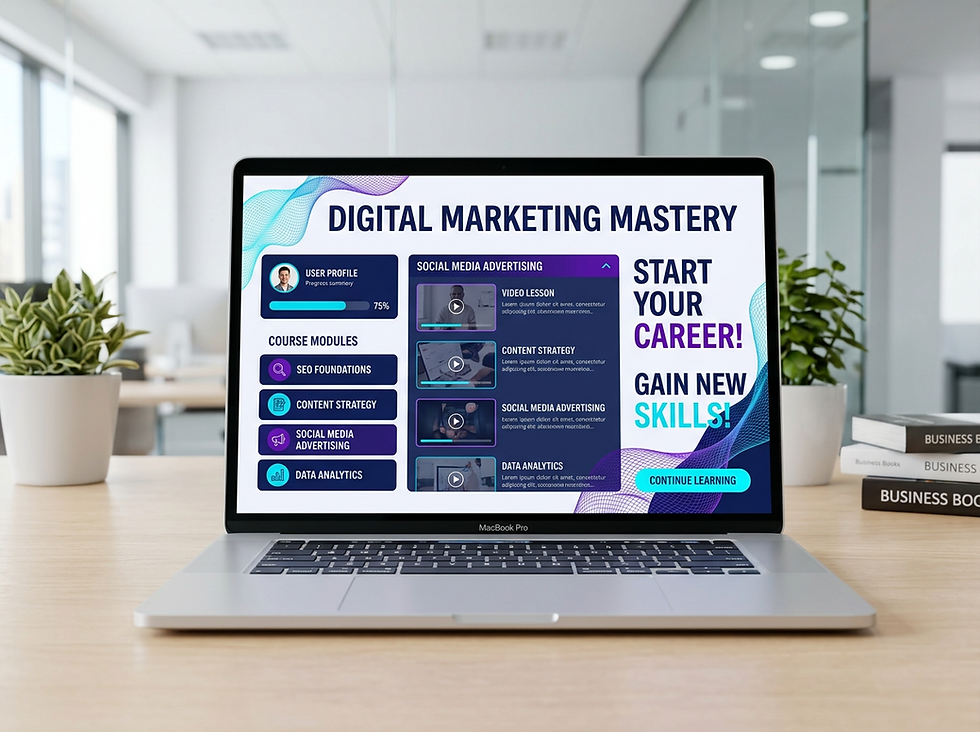
Adapting AI-Driven Digital Strategies for the AI Age

In today’s fast-evolving digital landscape, businesses must rethink their approaches to stay competitive. Artificial intelligence (AI) is no longer a futuristic concept; it is a present-day reality reshaping how companies engage customers, analyze data, and optimize operations. Adapting AI-driven digital strategies is essential for organizations aiming to thrive in this new era. This article explores practical ways to integrate AI into digital strategies, ensuring relevance, efficiency, and growth.
Understanding AI-Driven Digital Strategies
AI-driven digital strategies leverage machine learning, natural language processing, and automation to enhance decision-making and customer experiences. These strategies go beyond traditional digital marketing by using AI to predict trends, personalize content, and automate repetitive tasks.
For example, AI-powered chatbots provide instant customer support, reducing wait times and improving satisfaction. Similarly, AI algorithms analyze vast amounts of data to identify customer preferences, enabling hyper-targeted marketing campaigns. This level of precision was impossible with manual methods.
To implement AI-driven strategies effectively, organizations must:
Identify key business goals that AI can support.
Invest in data infrastructure to collect and manage quality data.
Train teams to understand and use AI tools.
Continuously monitor AI performance and adjust tactics accordingly.
By focusing on these areas, companies can unlock AI’s full potential and create digital strategies that are both innovative and practical.

Key Components of AI-Driven Digital Strategies
Successful AI-driven digital strategies rest on several core components. Understanding these elements helps organizations build a strong foundation for AI integration.
Data Collection and Management
AI thrives on data. Collecting accurate, relevant data is the first step. This includes customer behavior, transaction history, social media interactions, and more. Proper data management ensures that AI models have clean, structured information to analyze.
Personalization at Scale
AI enables personalization beyond simple segmentation. It can tailor content, offers, and experiences to individual users in real time. For instance, e-commerce platforms use AI to recommend products based on browsing history and purchase patterns.
Automation of Routine Tasks
Automation powered by AI reduces manual workload. Tasks like email marketing, social media posting, and customer service inquiries can be automated, freeing teams to focus on strategy and creativity.
Predictive Analytics
AI models predict future trends by analyzing historical data. This helps businesses anticipate customer needs, optimize inventory, and plan marketing campaigns with greater accuracy.
Continuous Learning and Adaptation
AI systems improve over time through machine learning. Digital strategies must include mechanisms to update AI models regularly, ensuring they adapt to changing market conditions and consumer behavior.
Practical Steps to Adapt Digital Strategies for AI
Adapting digital strategies for the AI age requires a structured approach. Here are actionable steps organizations can take:
Assess Current Capabilities
Evaluate existing digital tools, data quality, and team skills. Identify gaps that AI can fill.
Set Clear Objectives
Define what success looks like with AI integration. Objectives might include increasing conversion rates, improving customer retention, or reducing operational costs.
Choose the Right AI Tools
Select AI solutions that align with business goals. This could range from AI-powered CRM systems to advanced analytics platforms.
Invest in Training
Equip teams with knowledge about AI technologies and their applications. Training ensures smooth adoption and maximizes ROI.
Pilot and Scale
Start with pilot projects to test AI initiatives. Use insights gained to refine strategies before scaling across the organization.
Monitor and Optimize
Continuously track AI performance metrics. Use data-driven insights to optimize campaigns and processes.
By following these steps, businesses can transition smoothly into AI-enhanced digital strategies that deliver measurable results.

Overcoming Challenges in AI Integration
While AI offers tremendous benefits, integrating it into digital strategies comes with challenges. Recognizing and addressing these obstacles is crucial.
Data Privacy and Security
Handling large volumes of personal data raises privacy concerns. Organizations must comply with regulations like GDPR and CCPA. Implementing robust security measures protects data and builds customer trust.
Skill Gaps
AI requires specialized skills in data science, machine learning, and analytics. Bridging this gap may involve hiring experts or partnering with educational institutions for training programs.
Change Management
Adopting AI changes workflows and roles. Clear communication and leadership support help teams embrace new technologies and processes.
Cost Considerations
AI implementation can be costly upfront. However, focusing on scalable solutions and measurable outcomes ensures long-term value.
Ethical AI Use
Ensuring AI decisions are fair and unbiased is essential. Regular audits and transparent algorithms promote ethical AI practices.
Addressing these challenges head-on enables organizations to harness AI’s power responsibly and effectively.
The Future of Digital Strategy in the AI Age
The future belongs to those who adapt quickly. AI will continue to evolve, offering new tools and capabilities. Businesses must stay agile, continuously updating their digital strategies to leverage emerging AI trends.
Some future directions include:
Voice and Visual Search Optimization
AI-driven voice assistants and image recognition will change how users find information online.
Hyper-Personalized Customer Journeys
AI will create seamless, individualized experiences across all touchpoints.
AI-Enhanced Content Creation
Automated content generation will speed up marketing efforts without sacrificing quality.
Integration of AI with IoT
Combining AI with Internet of Things devices will unlock new data sources and insights.
Greater Focus on Sustainability
AI can optimize resource use and support sustainable business practices.
To stay ahead, organizations should engage with thought leaders, invest in continuous learning, and experiment with AI innovations.
For those looking to deepen their expertise, the digital strategy in the age of ai offers comprehensive resources and certification programs designed to build competence in this critical area.
Embracing AI for Lasting Digital Success
Adapting digital strategies for the AI age is no longer optional. It is a necessity for organizations aiming to lead in a competitive market. By understanding AI’s capabilities, implementing practical steps, and overcoming challenges, businesses can create dynamic, effective digital strategies.
The journey requires commitment, but the rewards are significant: improved customer engagement, operational efficiency, and sustained growth. Embracing AI-driven digital strategies today sets the stage for success tomorrow.